The Thar
This project captures the soul of the Thar Desert — its sweeping landscapes, resilient people, intricate architecture, and the ever-present camels that move with quiet grace through it all. Through this photo series, I aim to invite you into the everyday life of the desert, where harsh conditions meet vibrant spirit, tradition, and timeless beauty. It’s a glimpse into a world shaped by sun, sand, and strength — where life endures, thrives, and tells a story of its own.
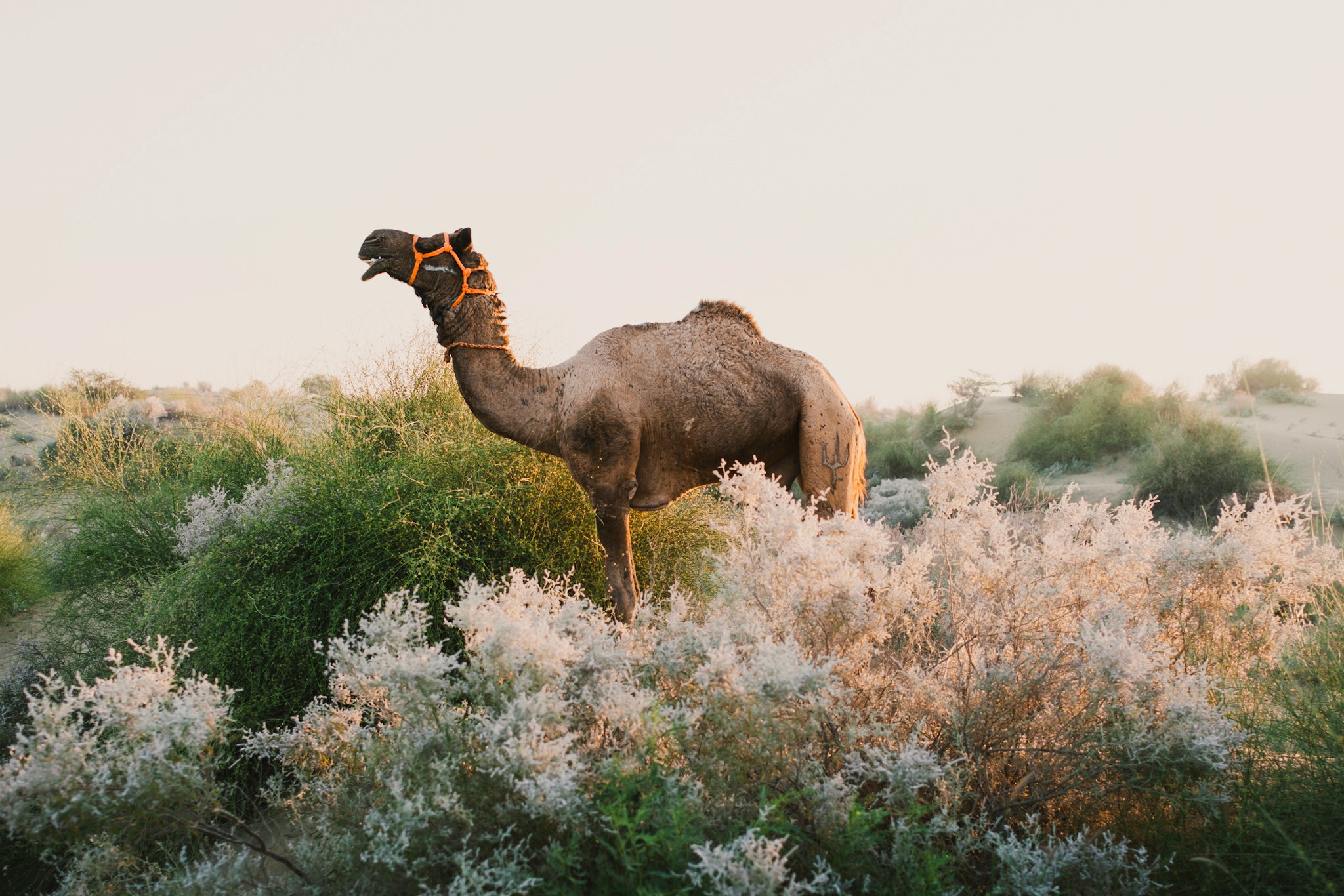
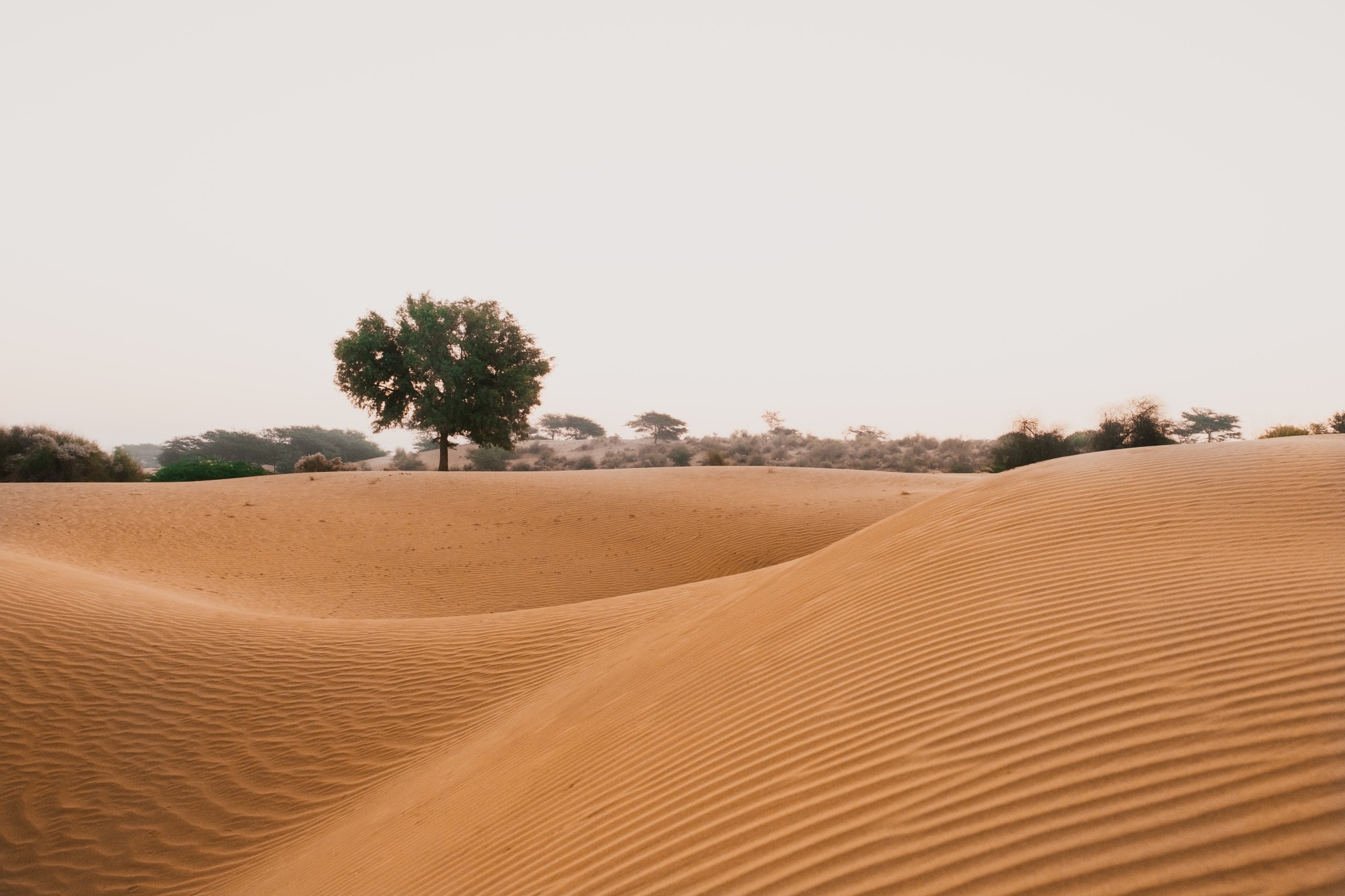
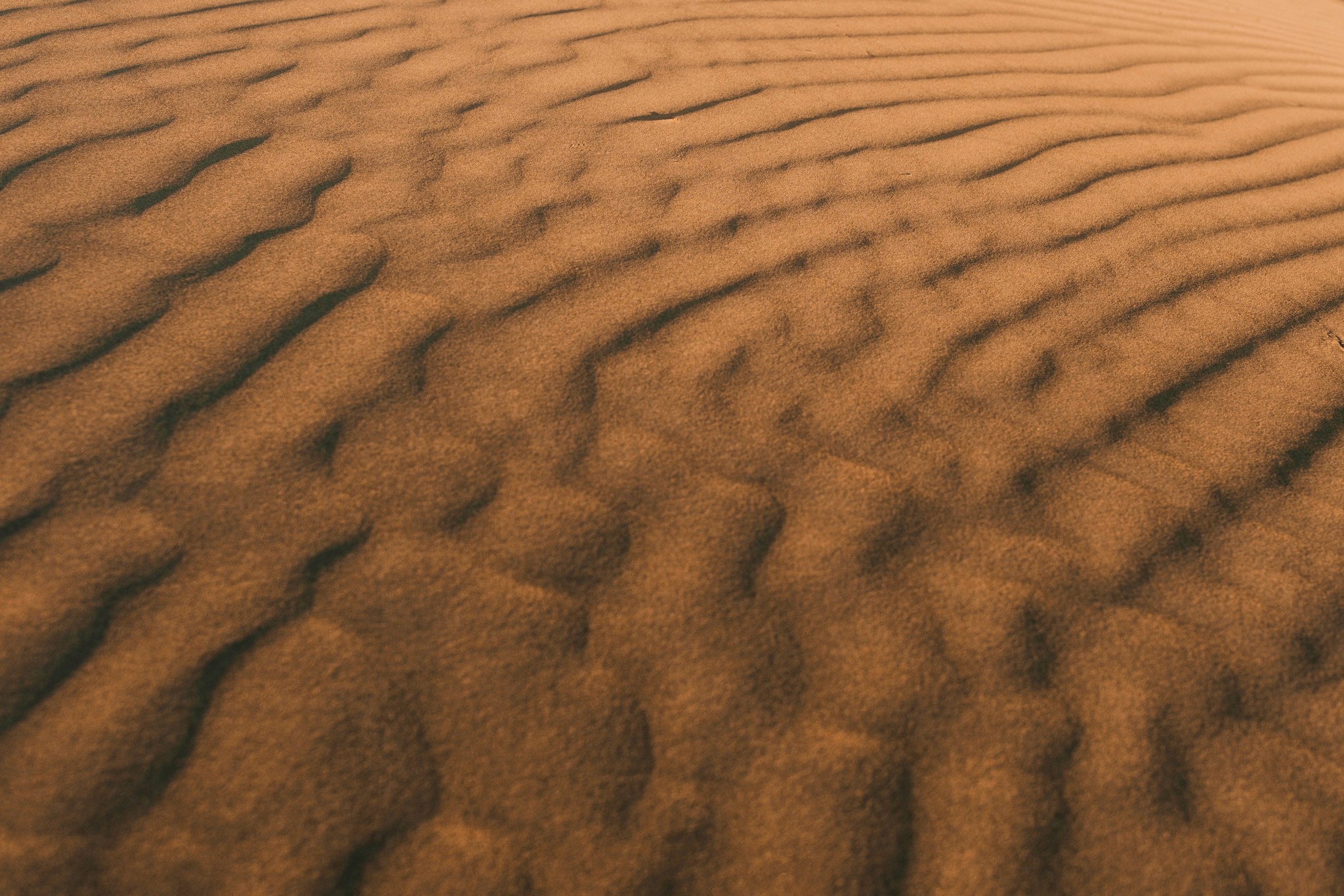
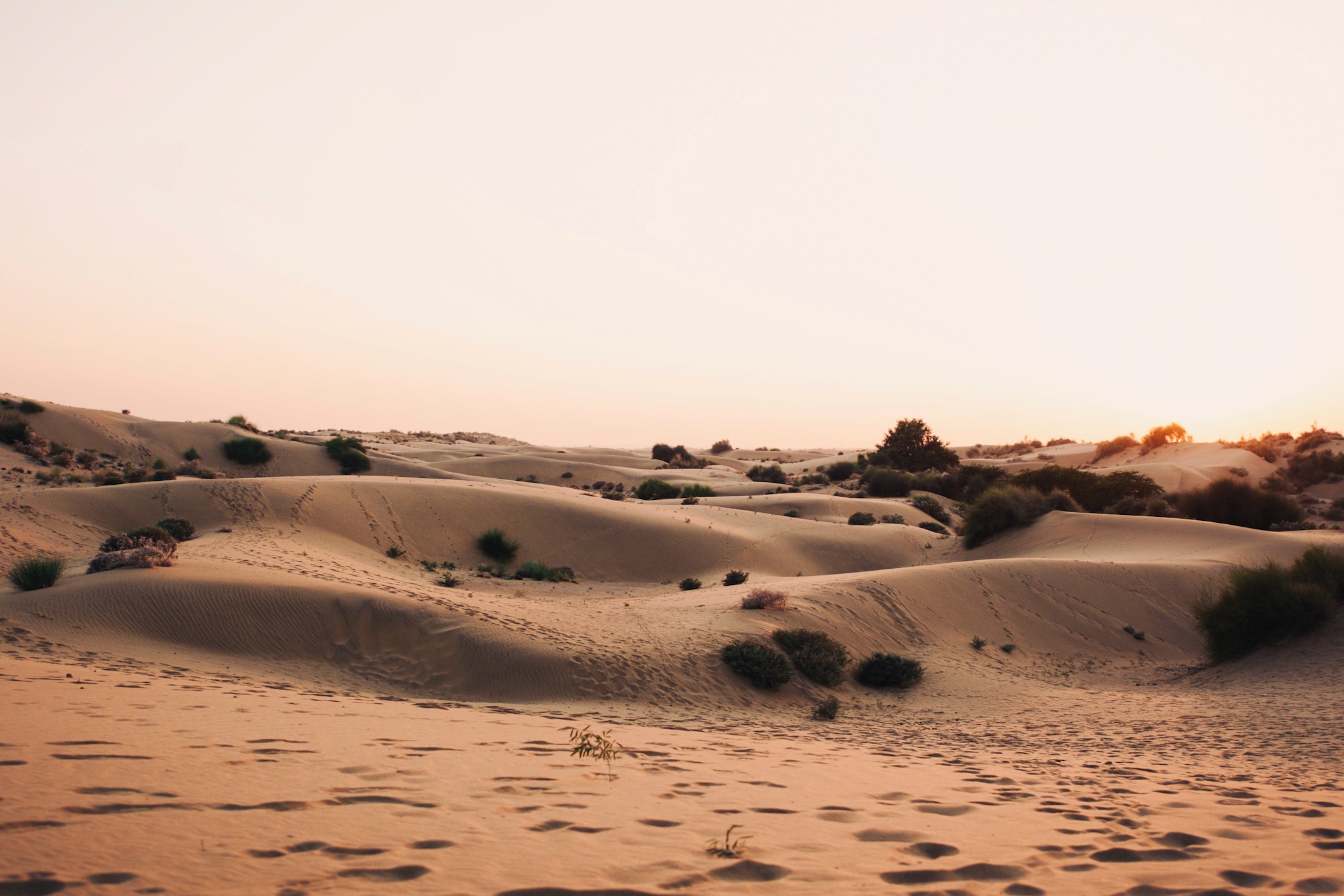
The Thar Desert, also known as the Great Indian Desert, is a vast arid region in northwest India, stretching across Rajasthan. Characterized by rolling sand dunes, sparse vegetation, and extreme temperatures, it’s home to resilient communities, rich cultural traditions, and unique wildlife adapted to its harsh conditions.

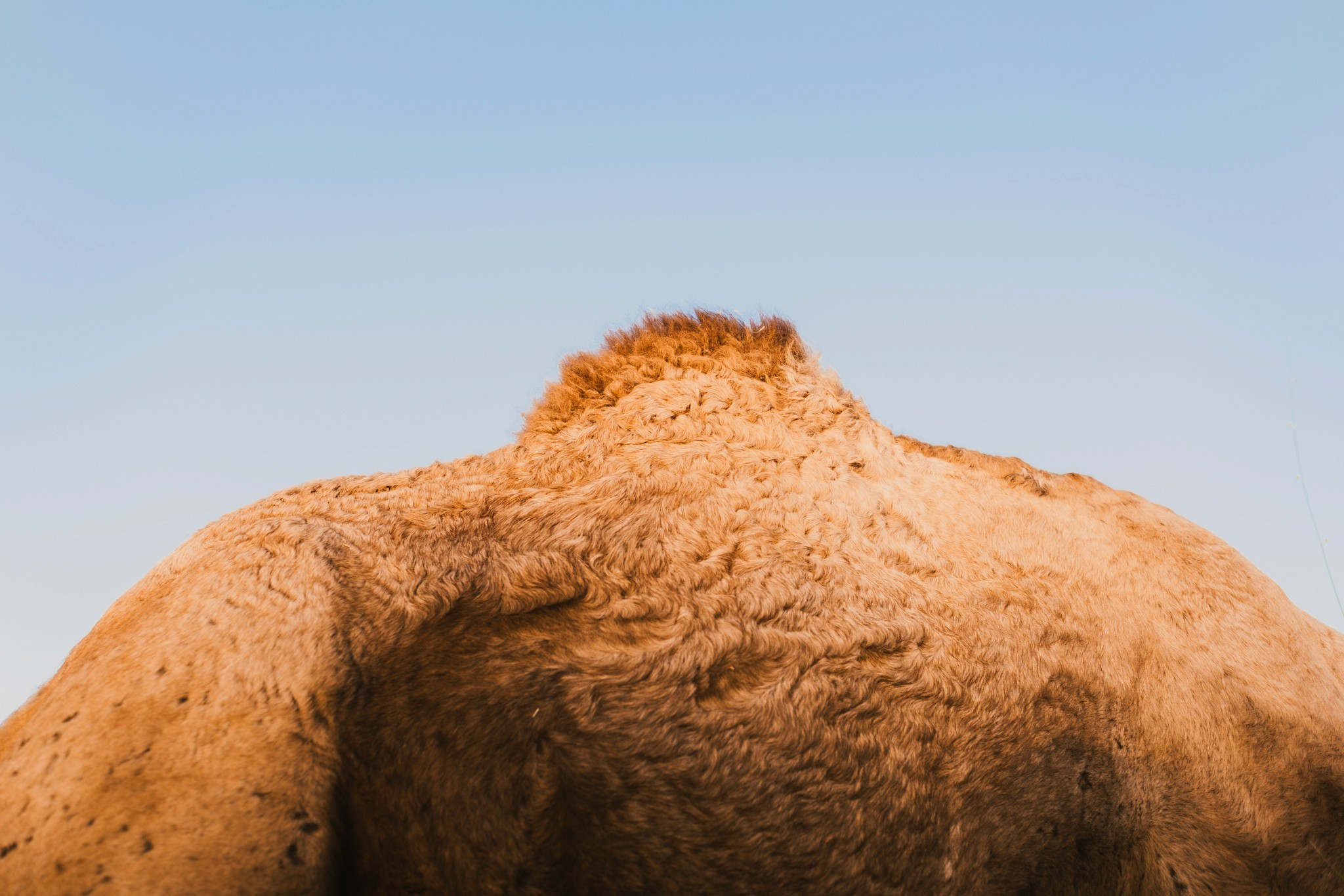
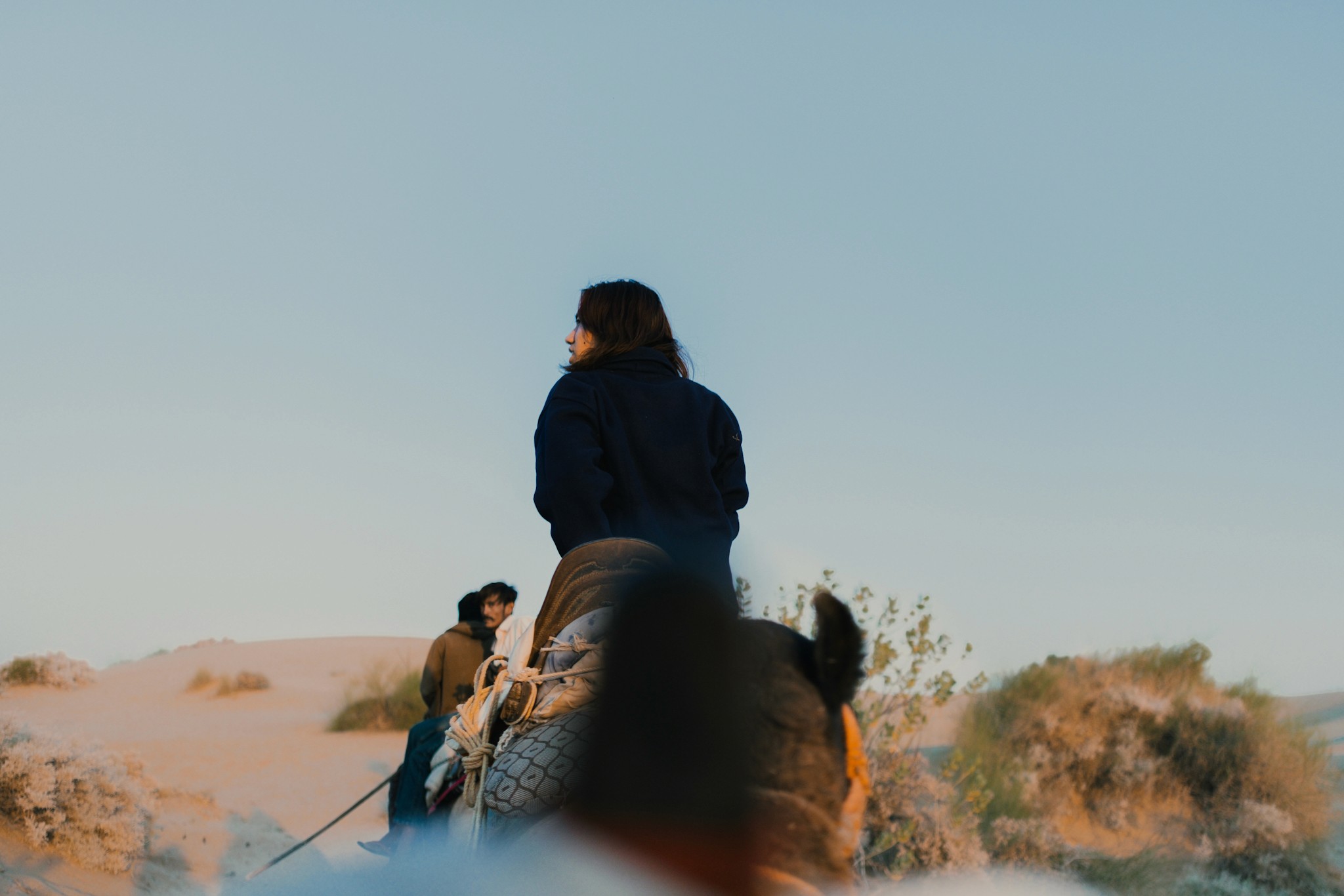
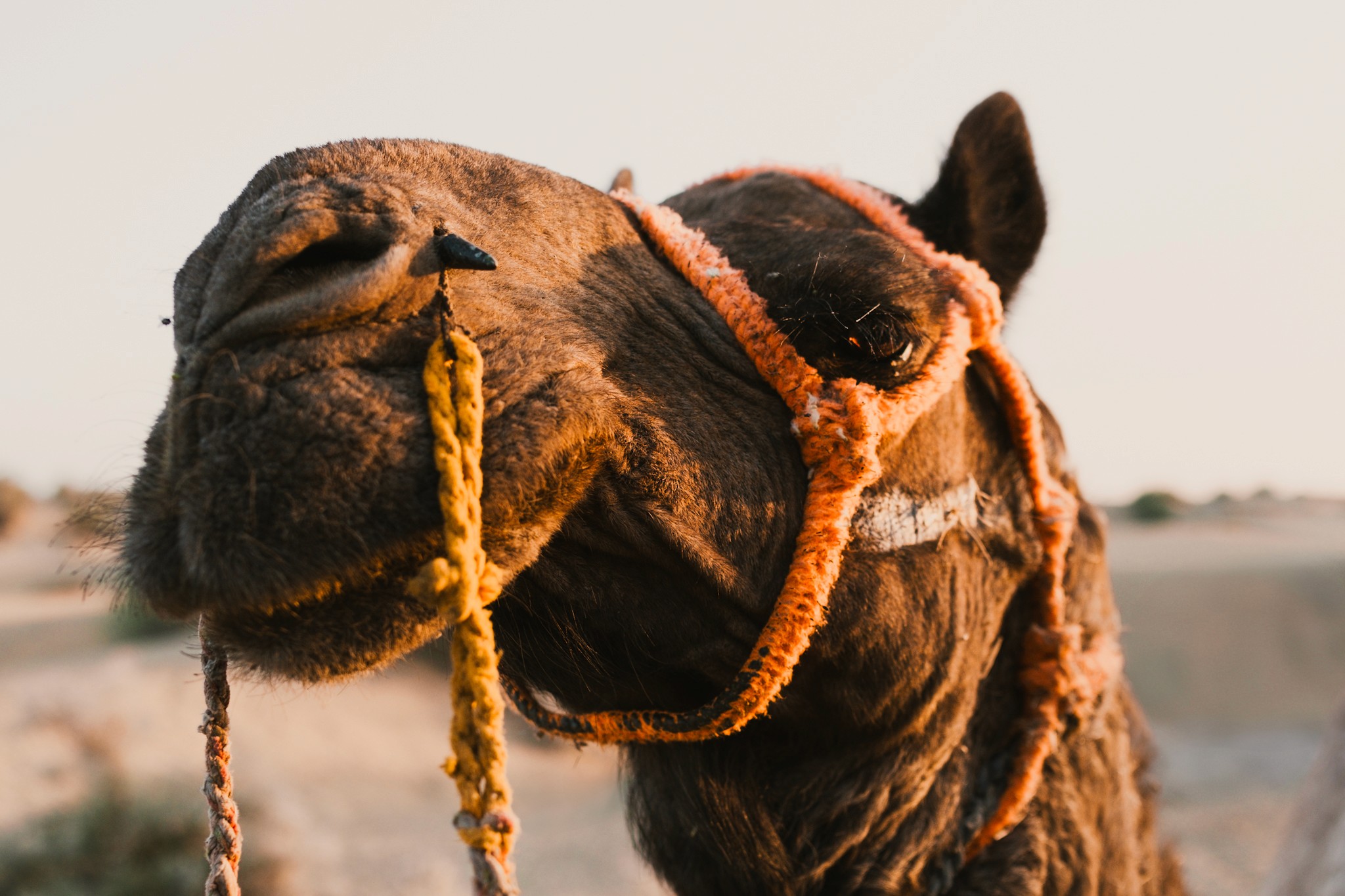
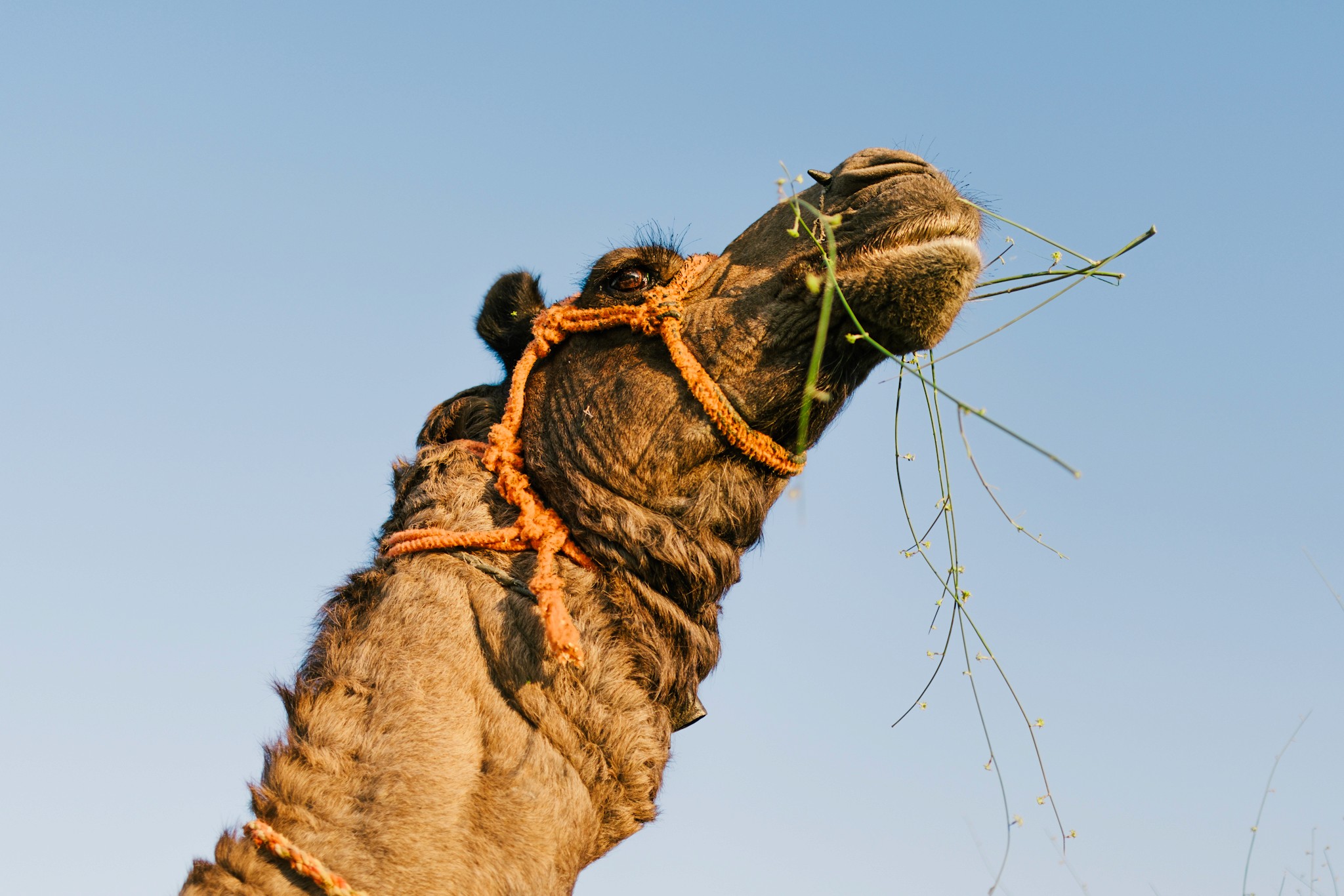
The camel—aptly known as the ship of the desert—is a remarkable and generally gentle animal. During the breeding season, male camels can become highly competitive, especially when a female is in estrus. They display dominance through behaviors such as growling, foaming at the mouth, and physical contests, including head-butting or trying to unseat rivals. I witnessed this during my time in the Thar, when Laallu, one of the camels I spent time with, assertively challenged others in a spirited attempt to establish his presence.
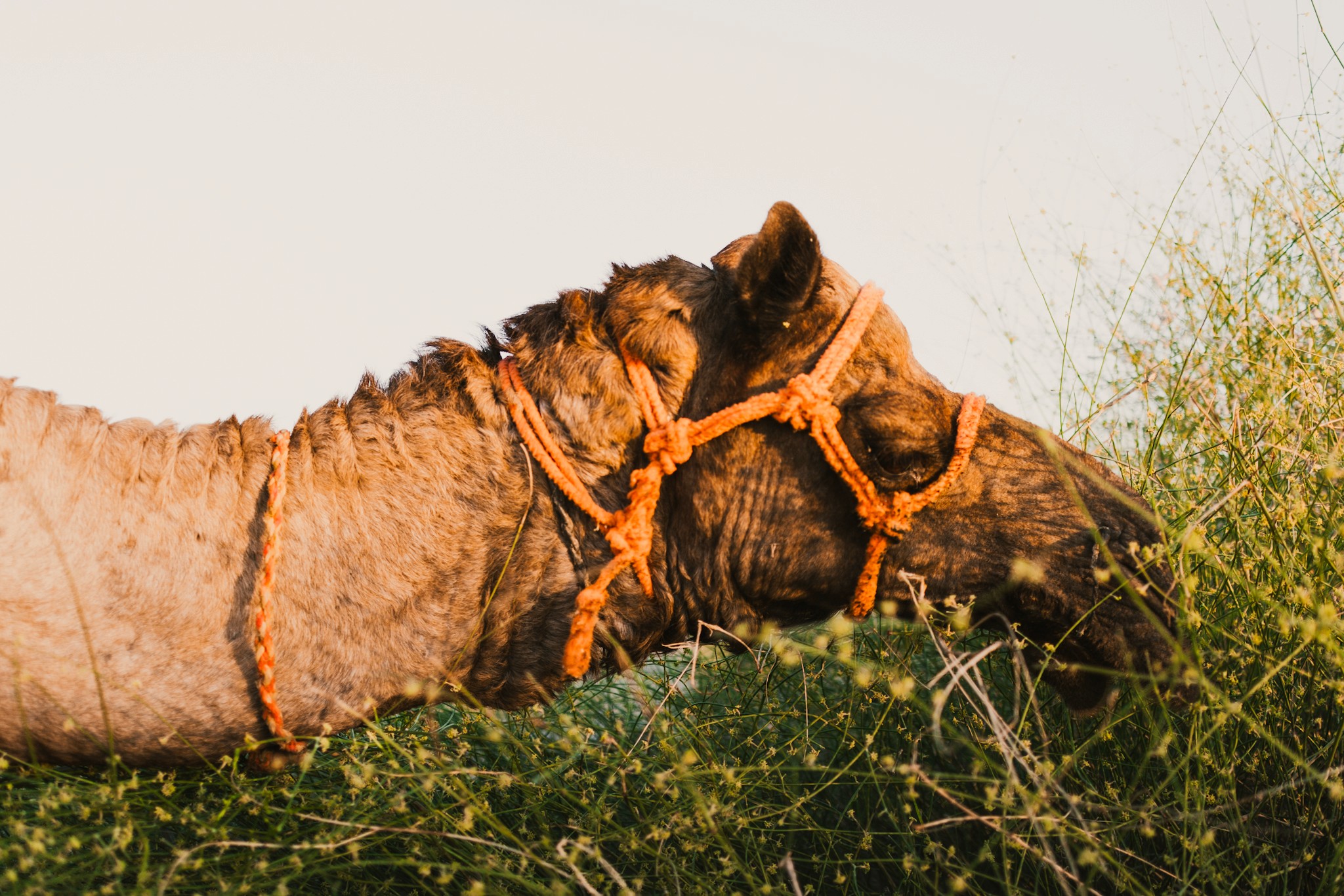
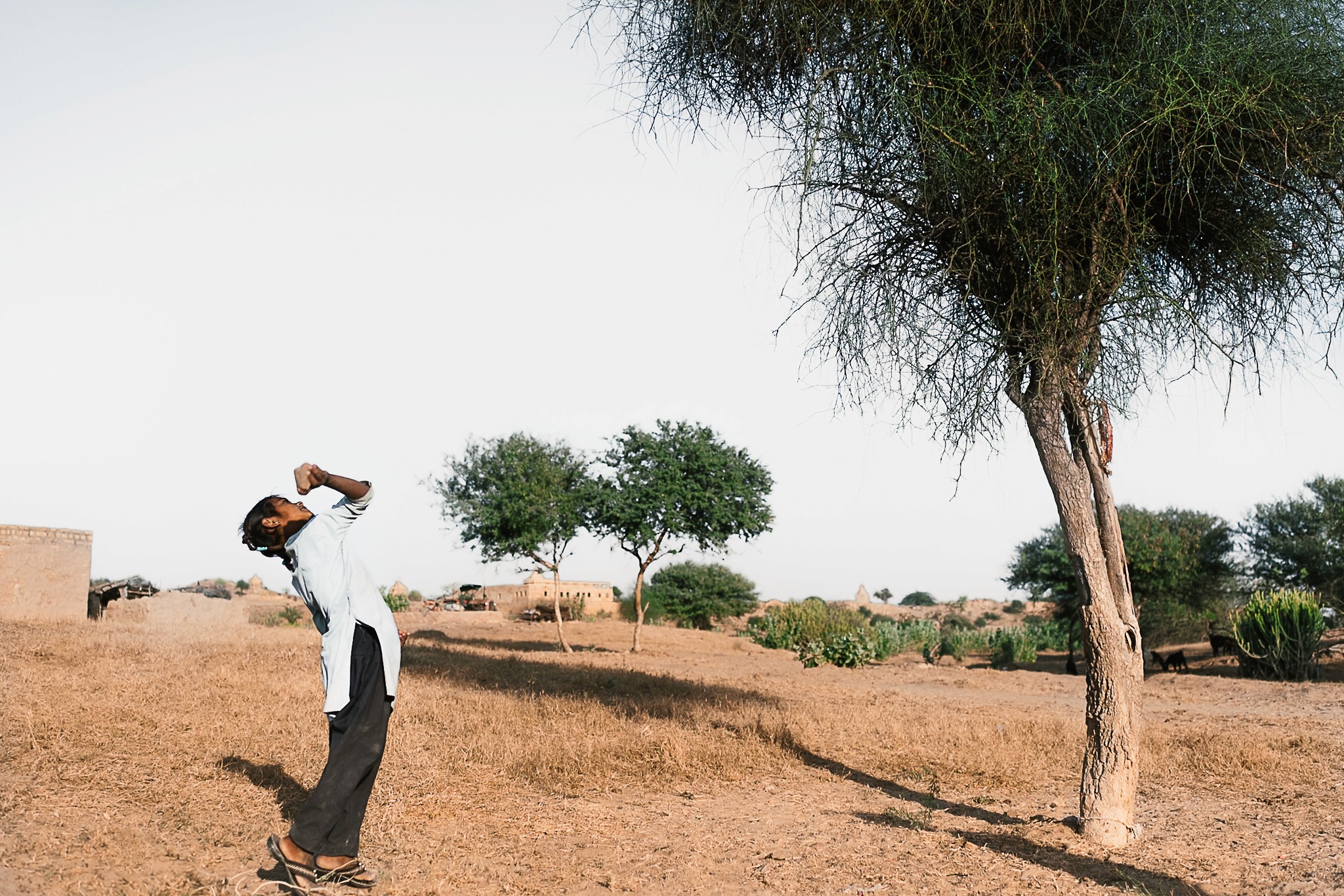
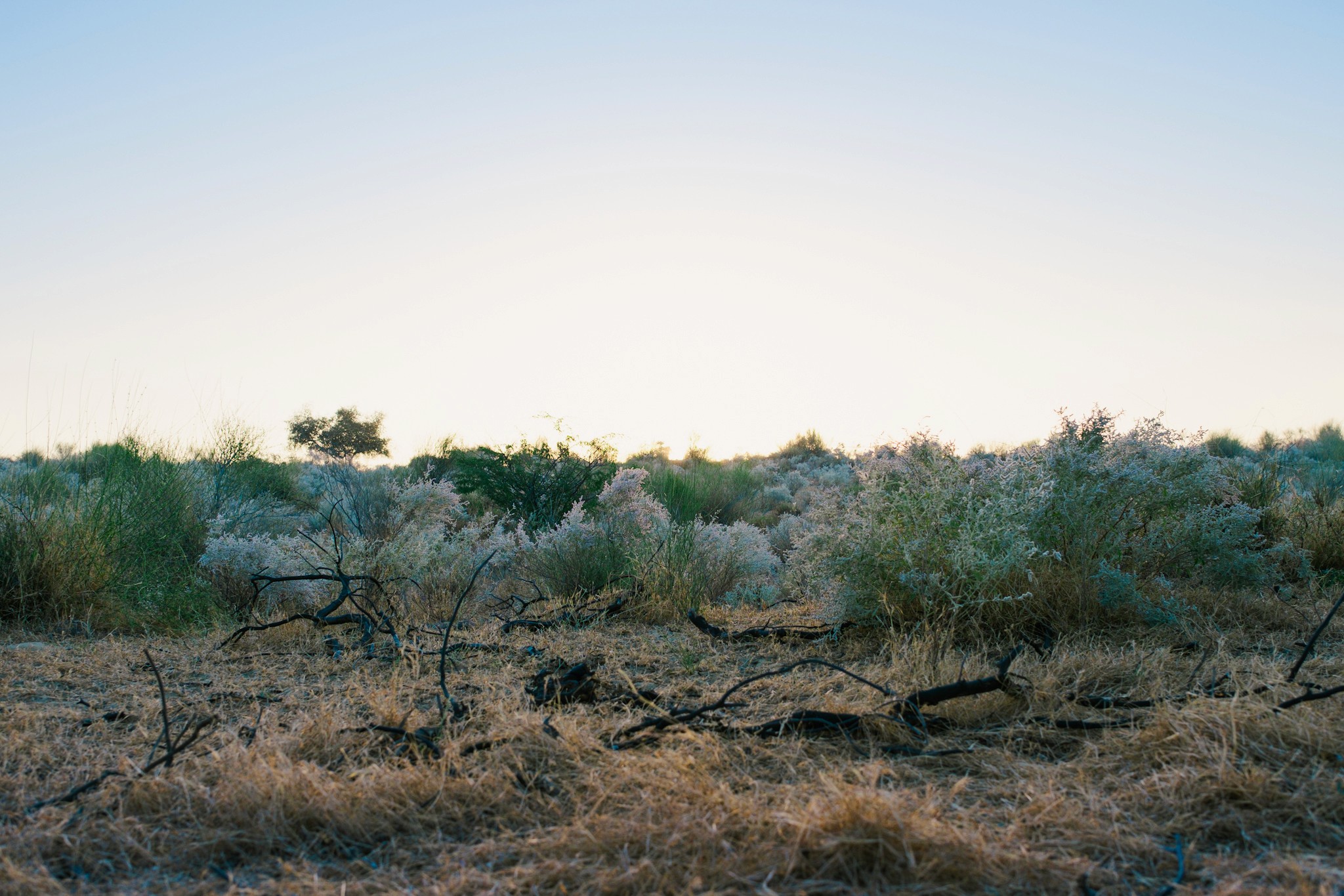
The Thar Desert’s vegetation is sparse and resilient, with drought-resistant shrubs, grasses, and thorny trees like khejri and babool.
The babool tree produces a unique local wine (tharra) made from it, known for its distinct taste and surprisingly strong effect. After rare rains, the desert briefly blooms, supporting both wildlife and local traditions.



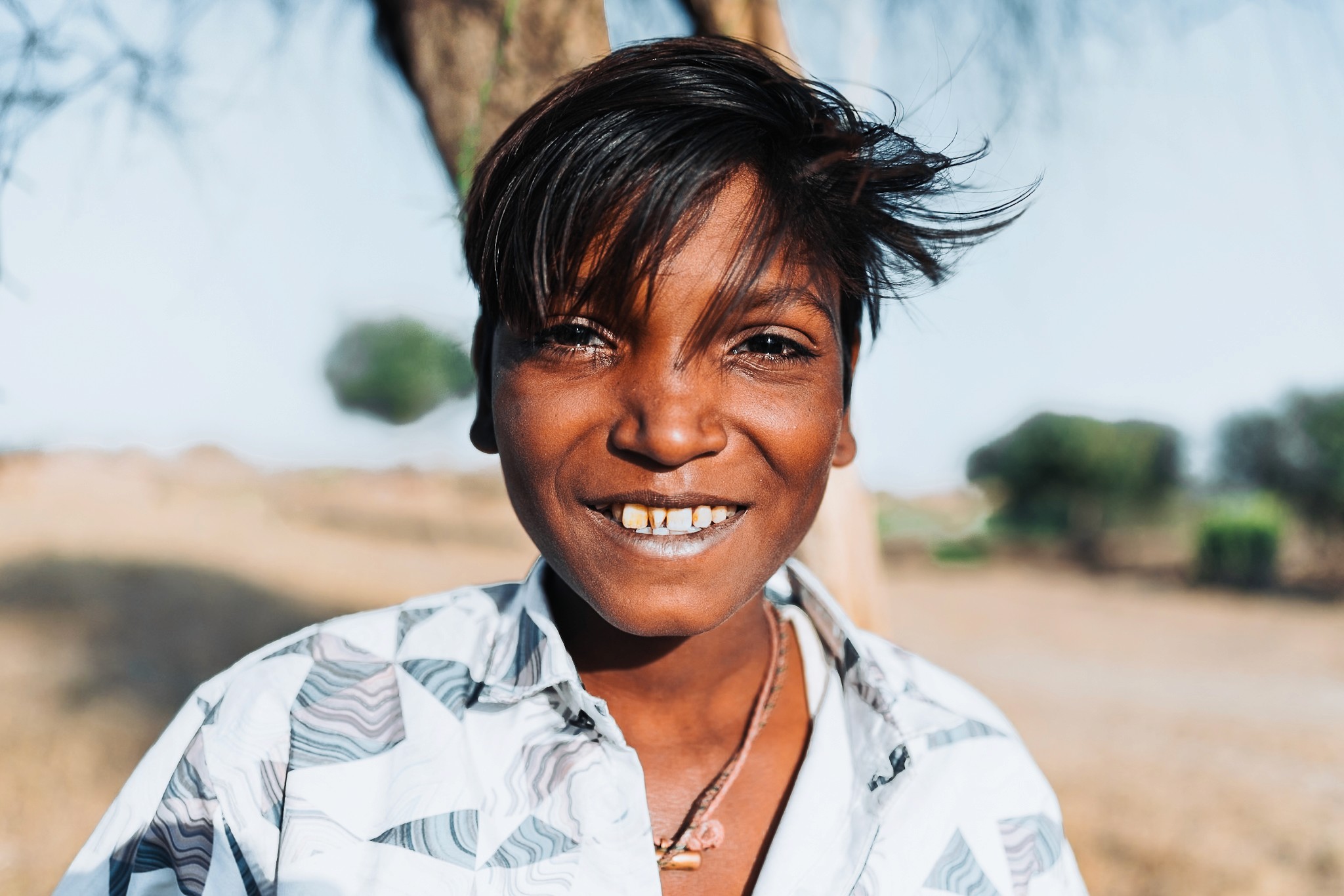
The village head of Barna village, deep into the Thar Desert. The children of Barna village grow up in a world far removed from ours, where the nearest road is still kilometers away.
Reaching this remote settlement means turning off the main road and venturing into the desert, where only a single bus arrives each evening. Here, a handful of families—no more than seven or eight—live by herding camels, deeply connected to the rhythms of the sand.